We're a nonprofit on a mission to bring cybersecurity and scam awareness to everyday people — through free tools, free resources, and public-awareness campaigns that meet people where they are.
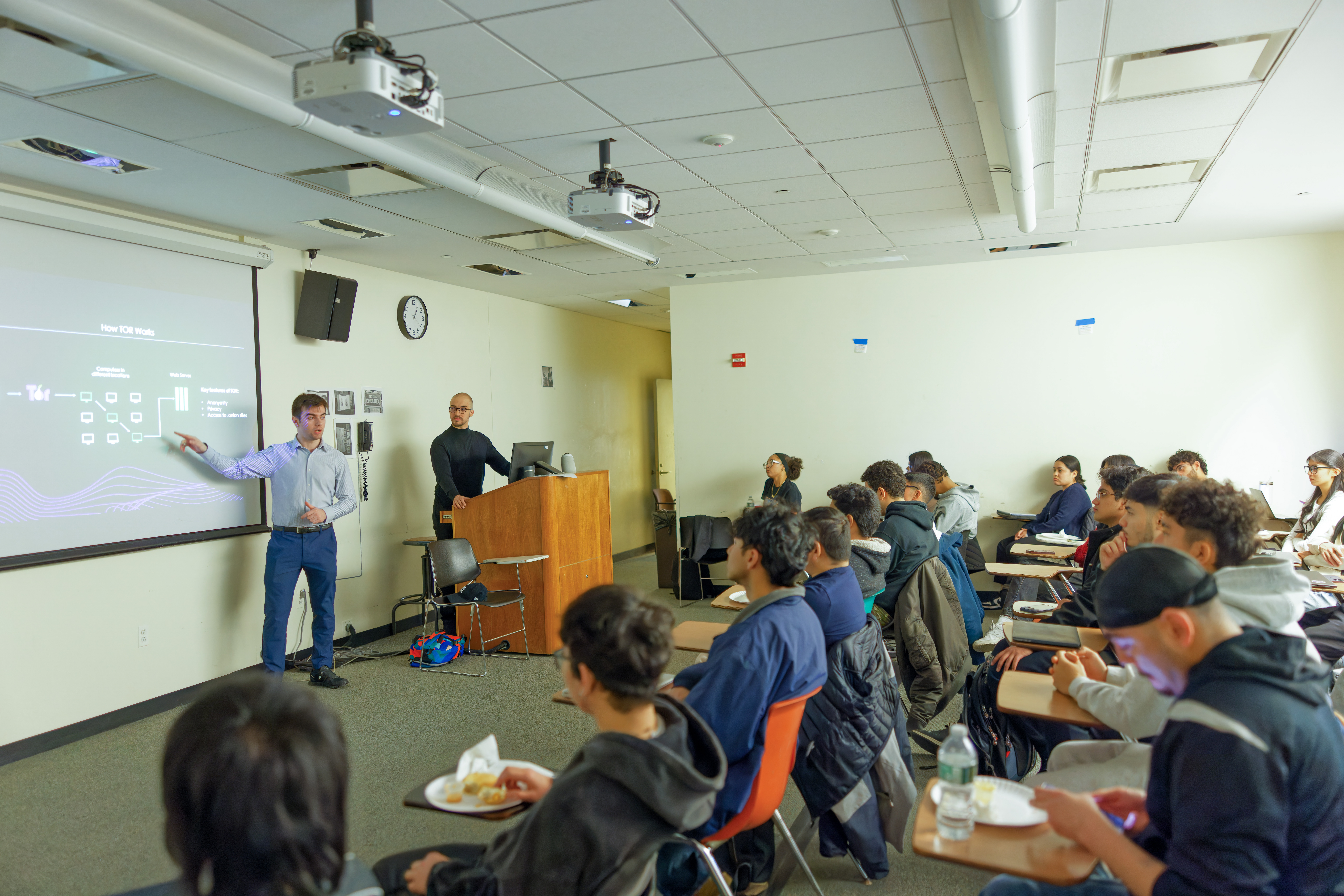
One of our workshops, hosted in partnership with Baruch ISACA.
Our Impact
5M+
People Reached
Across LinkNYC, Google, Meta & our tools
35,000+
Safety Checks Per Month
Free checks for suspicious messages and links
100%
Free & Nonprofit
Every tool, guide, and resource we publish
We build and give away the tools we wish everyone had — scam detectors, safety guidance, and clear explainers. No paywalls, no logins, no catch.
See the scams going around before they reach you. A free alert feed you can share with the people you look out for.
A free, searchable archive of real-world scams so anyone can recognize the patterns before they fall for them.
Search the archive →Forward a suspicious email to check@inboxspotter.com and get an instant, plain-language read on whether it's a scam.
Forward an email →Paste a suspicious link, number, or message and get an instant read on whether it's a scam.
Check it →WhatsApp-based scam guidance — chat in, get clear answers about whether something is safe.
Chat on WhatsApp →A text asking you to pay a small delivery fee?
That is a delivery phishing scam.
Card 1 of 12
Want resources to keep your community safe? Send us an email at info@cybersecurityreach.org
Original research and threat analysis — published openly so anyone can learn from it.

A six-week toll-fraud scouting operation: who it hurts, how, and who can stop it.
by Leonard Melnik
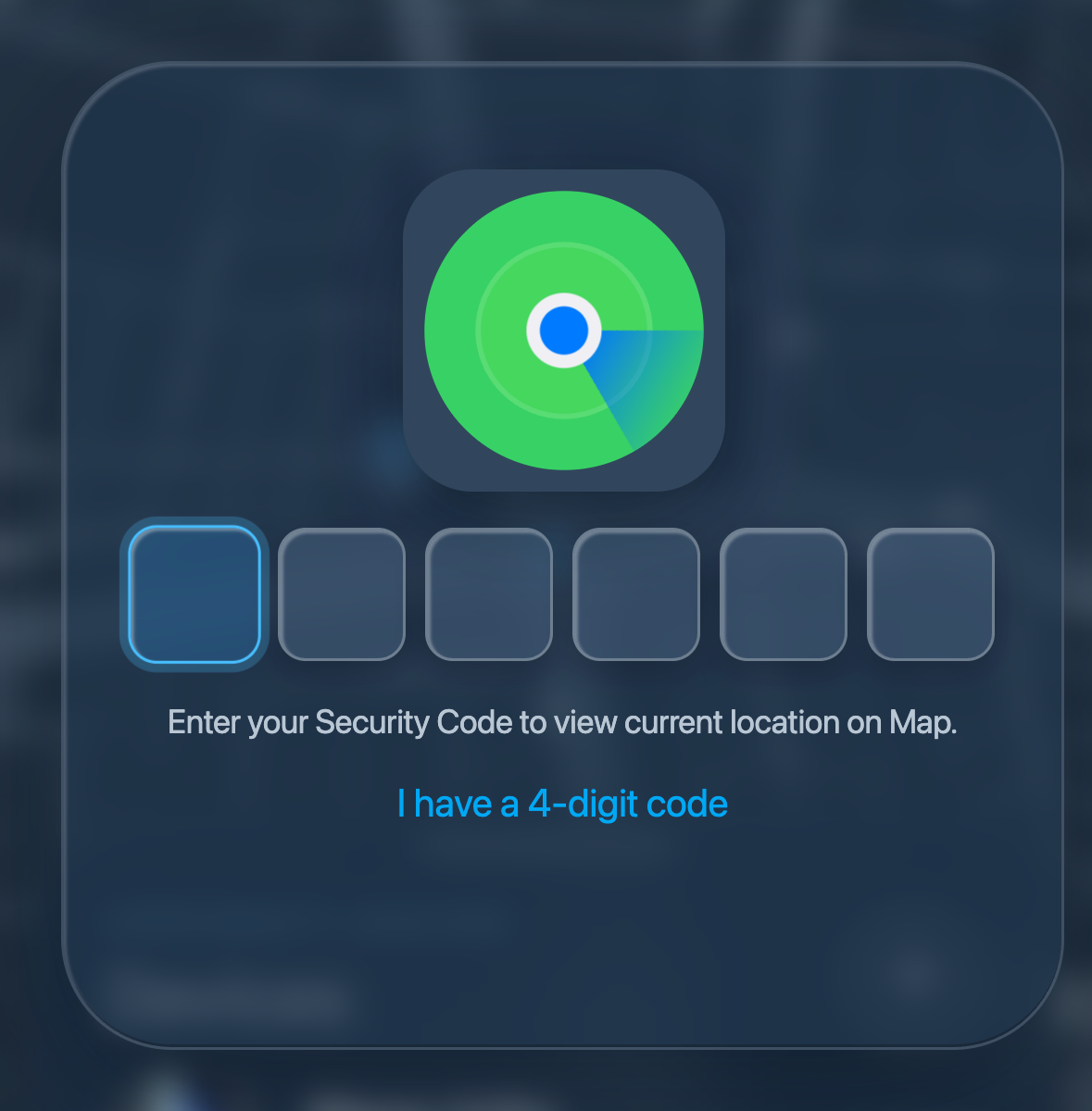
A page sent to people who have lost a phone shows a convincing Find My map, then asks for the phone's own passcode before it asks for anything else. We walked through the page in a controlled setup and recorded each step.
by Leonard Melnik
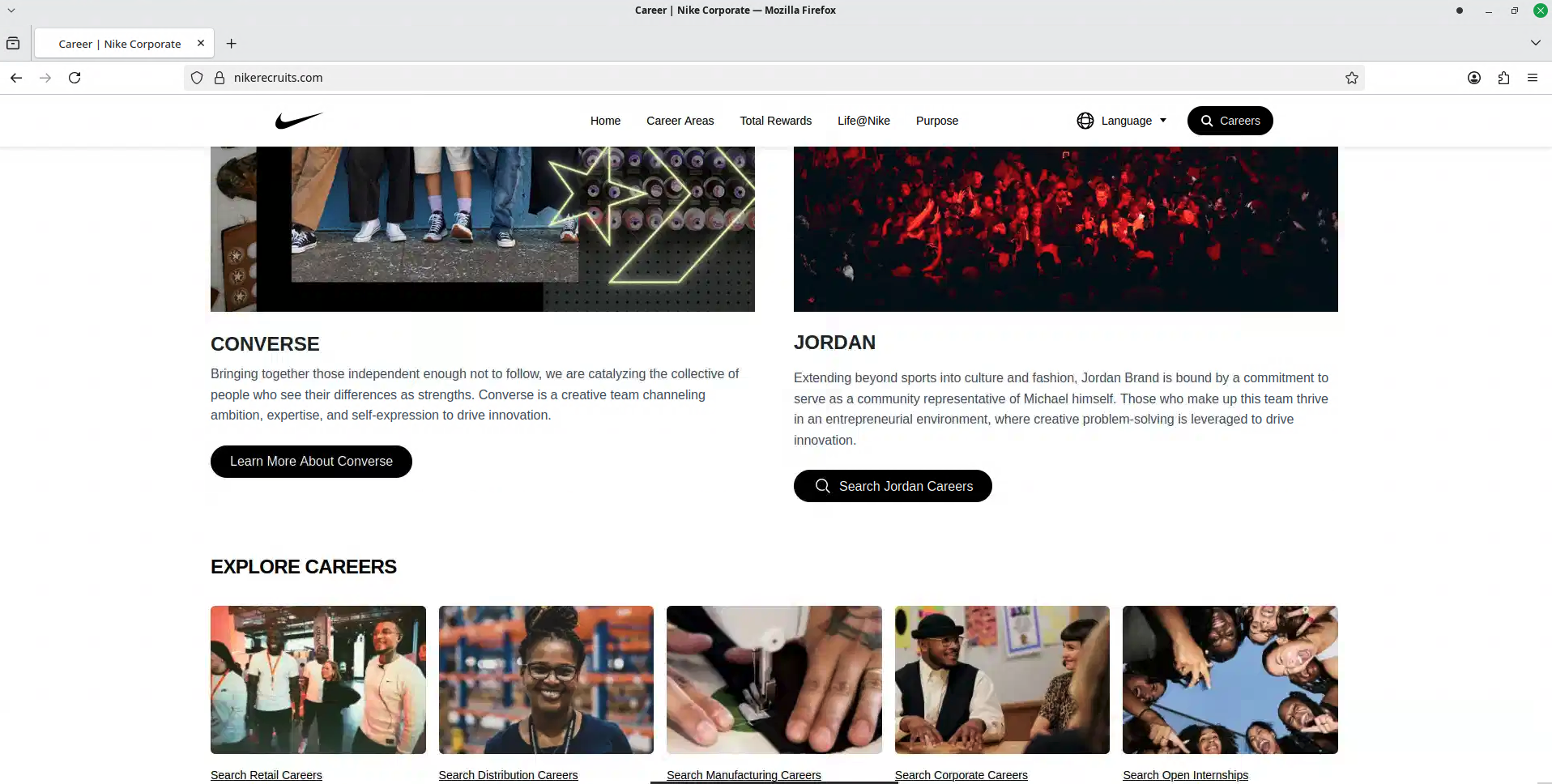
A convincing Nike job-site clone used a fake Facebook sign-in to target people looking for work.
by Higor Silva
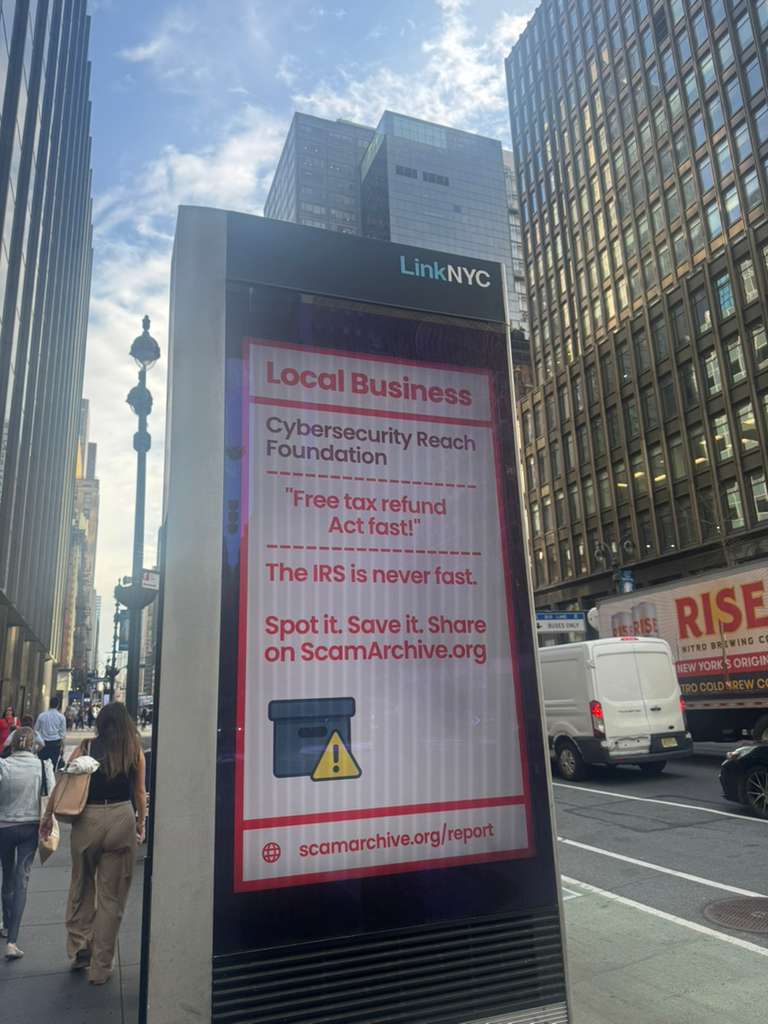
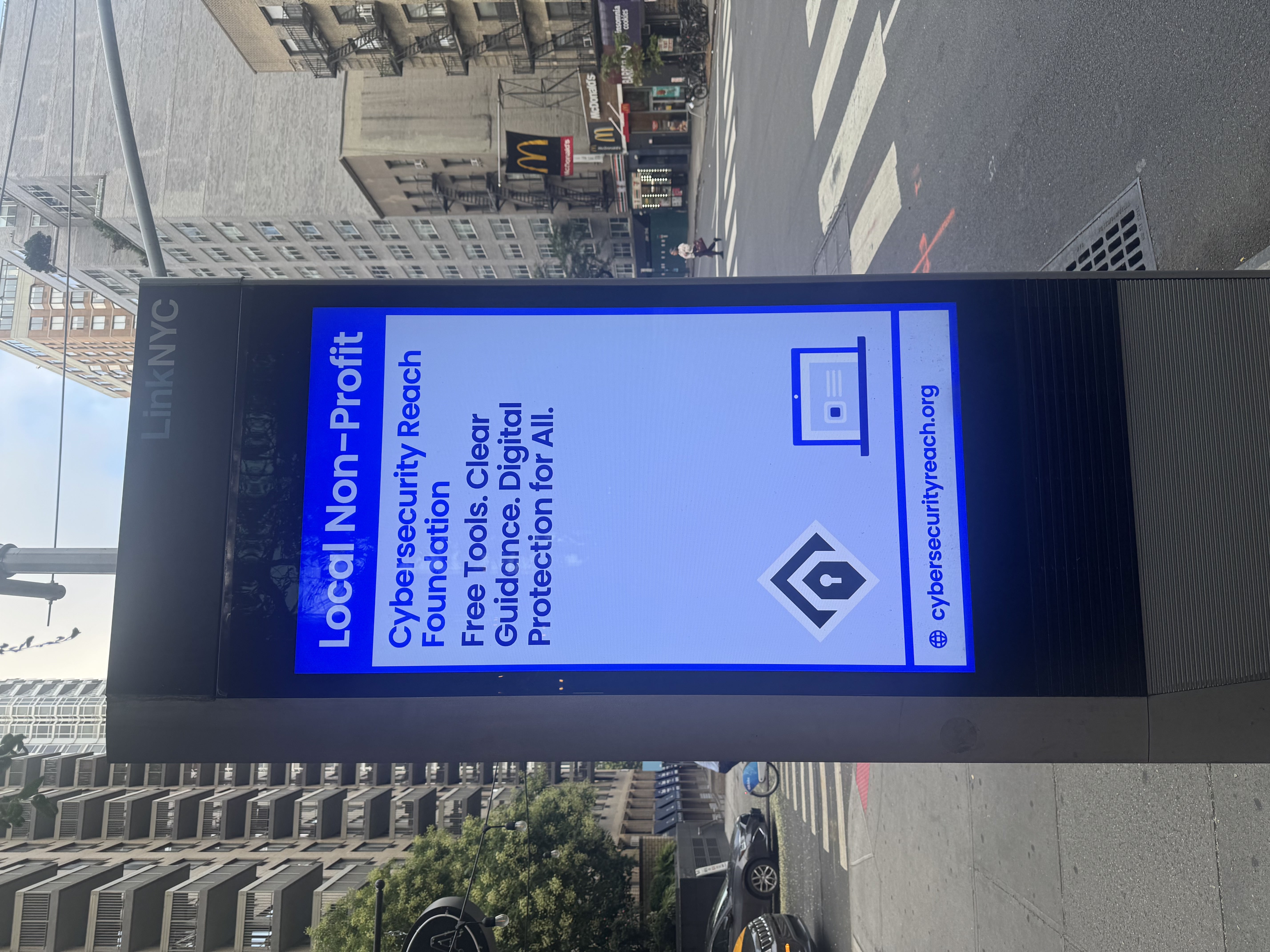
We run public-awareness campaigns across LinkNYC kiosks, Google, and Meta — putting timely, no-jargon scam alerts in front of millions of people right when fraudsters target them.
5M+
Total People Reached
NYC+
Local & Online
We share scam patterns with groups people already trust, and you pass them on. Libraries, schools, community groups, small businesses and more. Partnership is free.
One short email with the scams aimed at the people you serve.
Ready-to-send messages for your newsletter, texts or group chats.
Print materials with your organization's details added.
Tell us the scams you are seeing so we can warn others.
Our newsletter is on the way. In the meantime, follow us on Instagram →
Organizations We've Worked With & Platforms