Scam Search Party · A program of Cybersecurity Reach Foundation
At a Scam Search Party, everyday people investigate a live scam together. Then we report what they found and warn everyone else. It is free, and nobody needs experience.
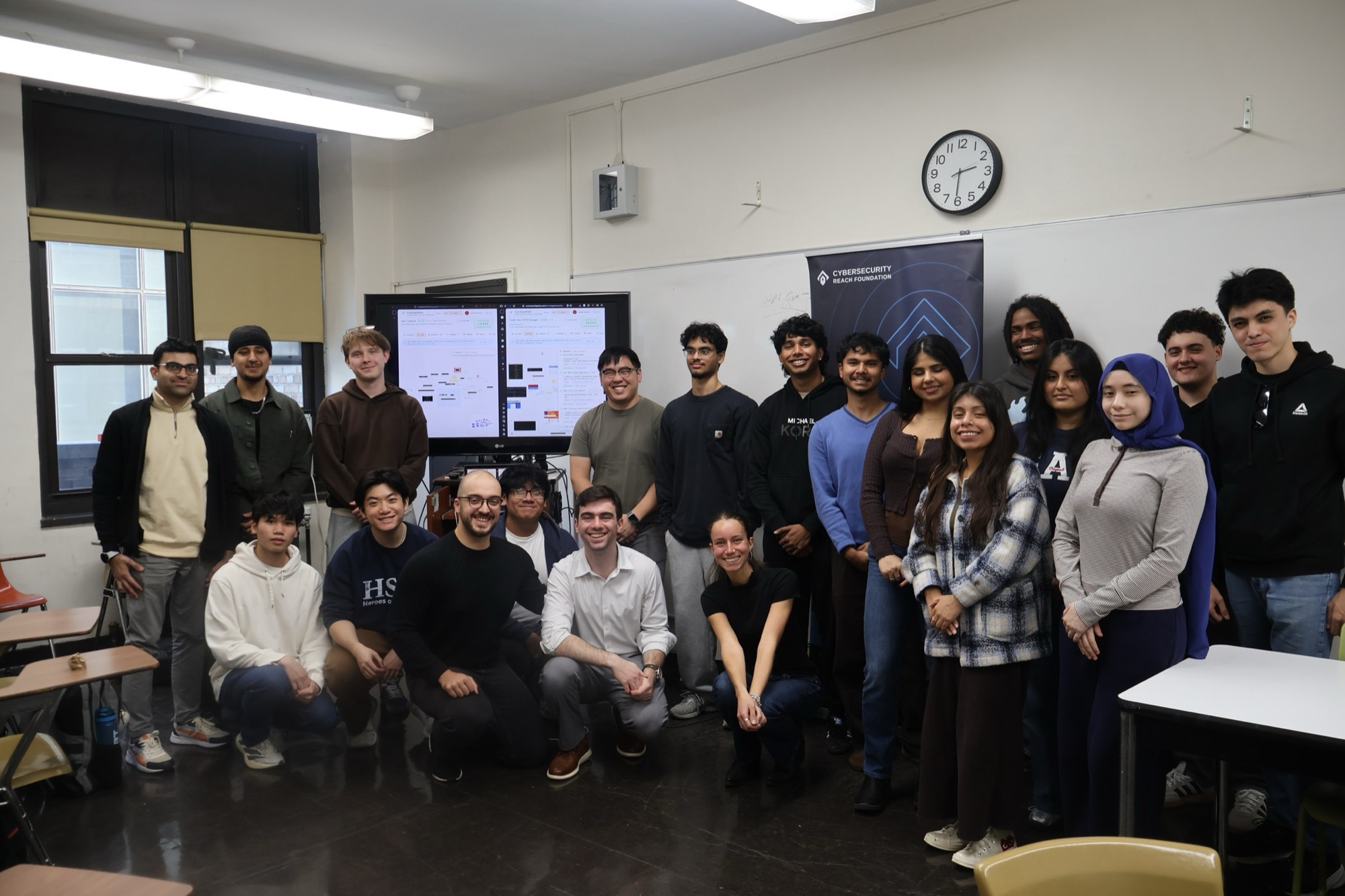
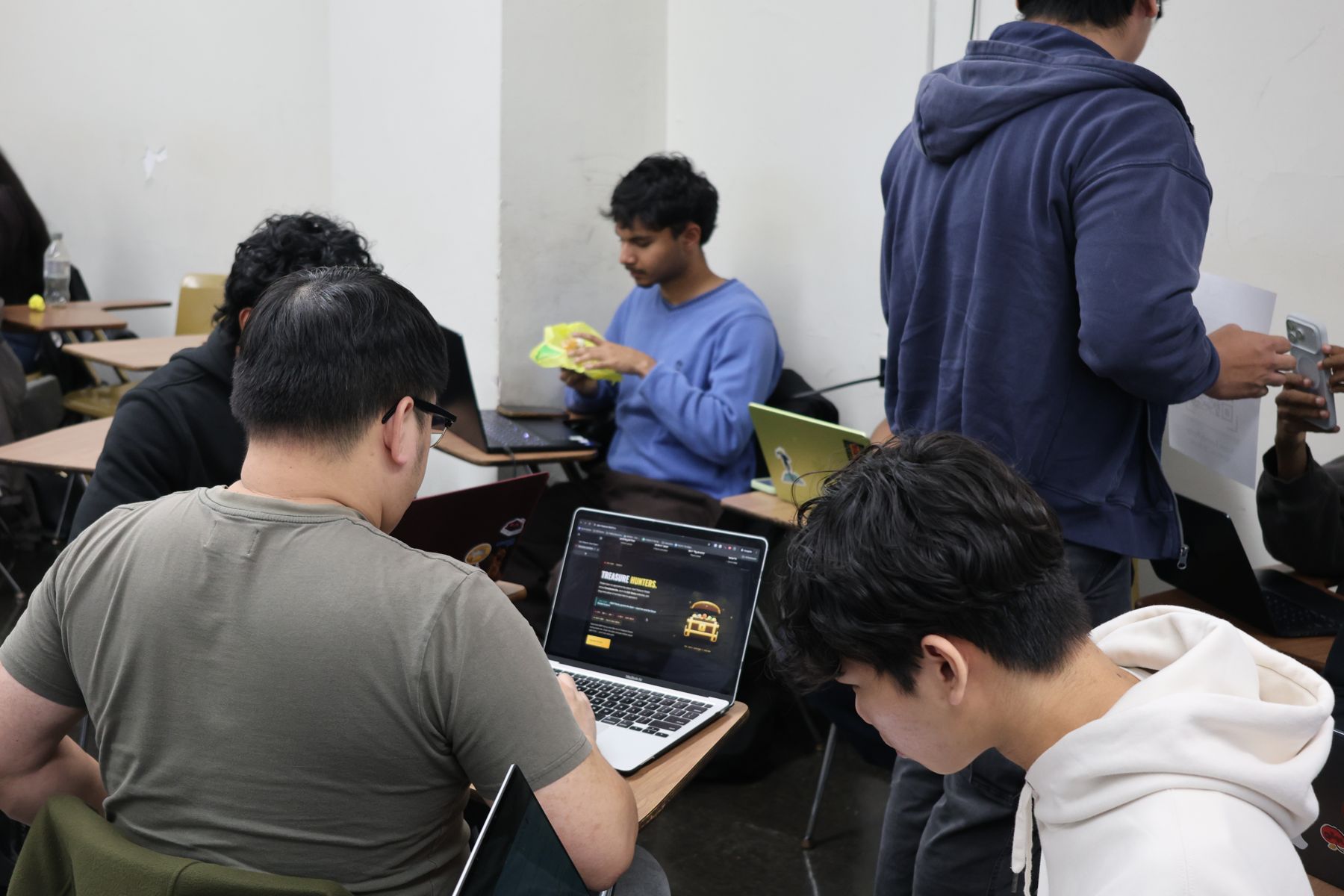
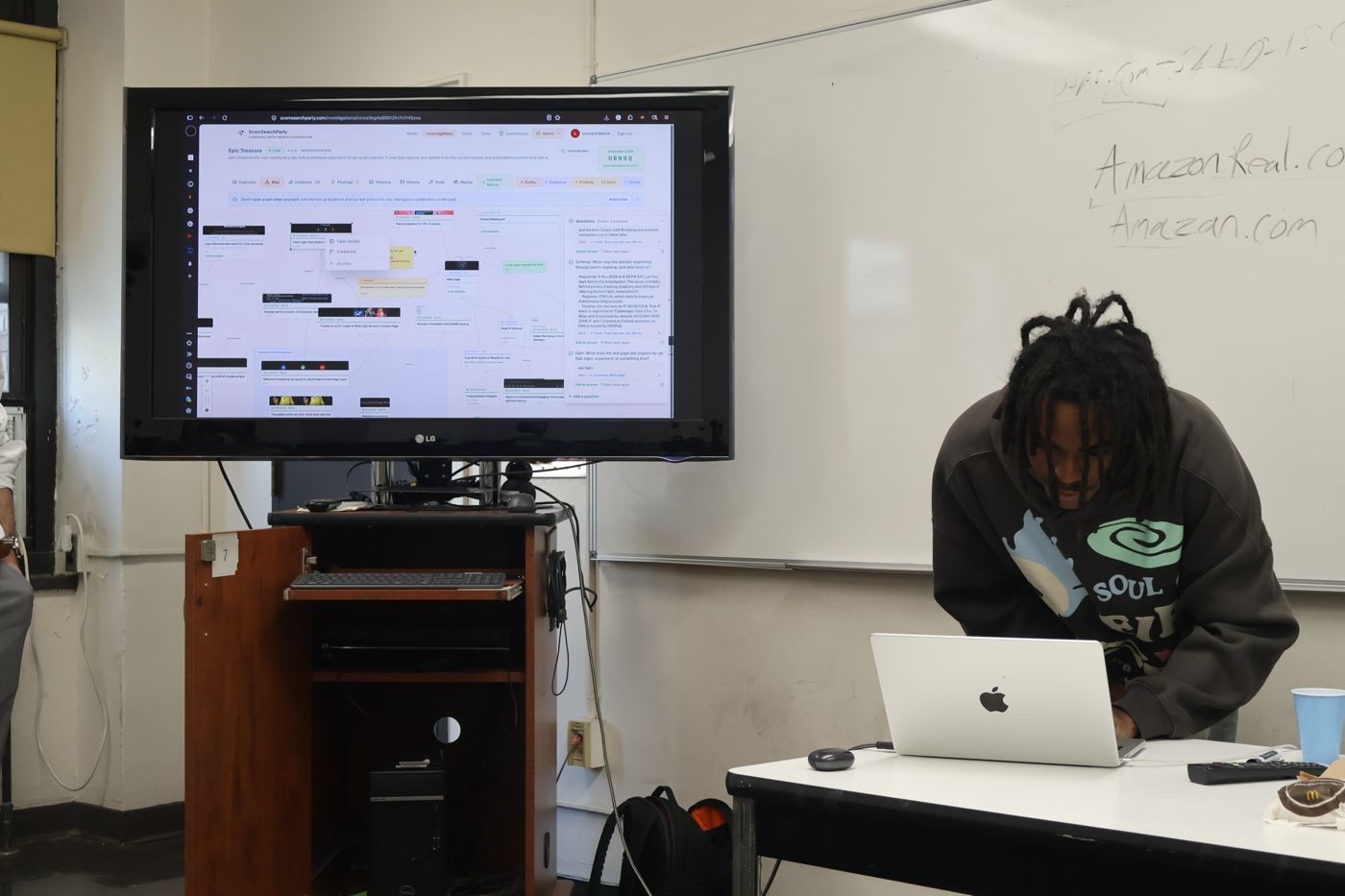
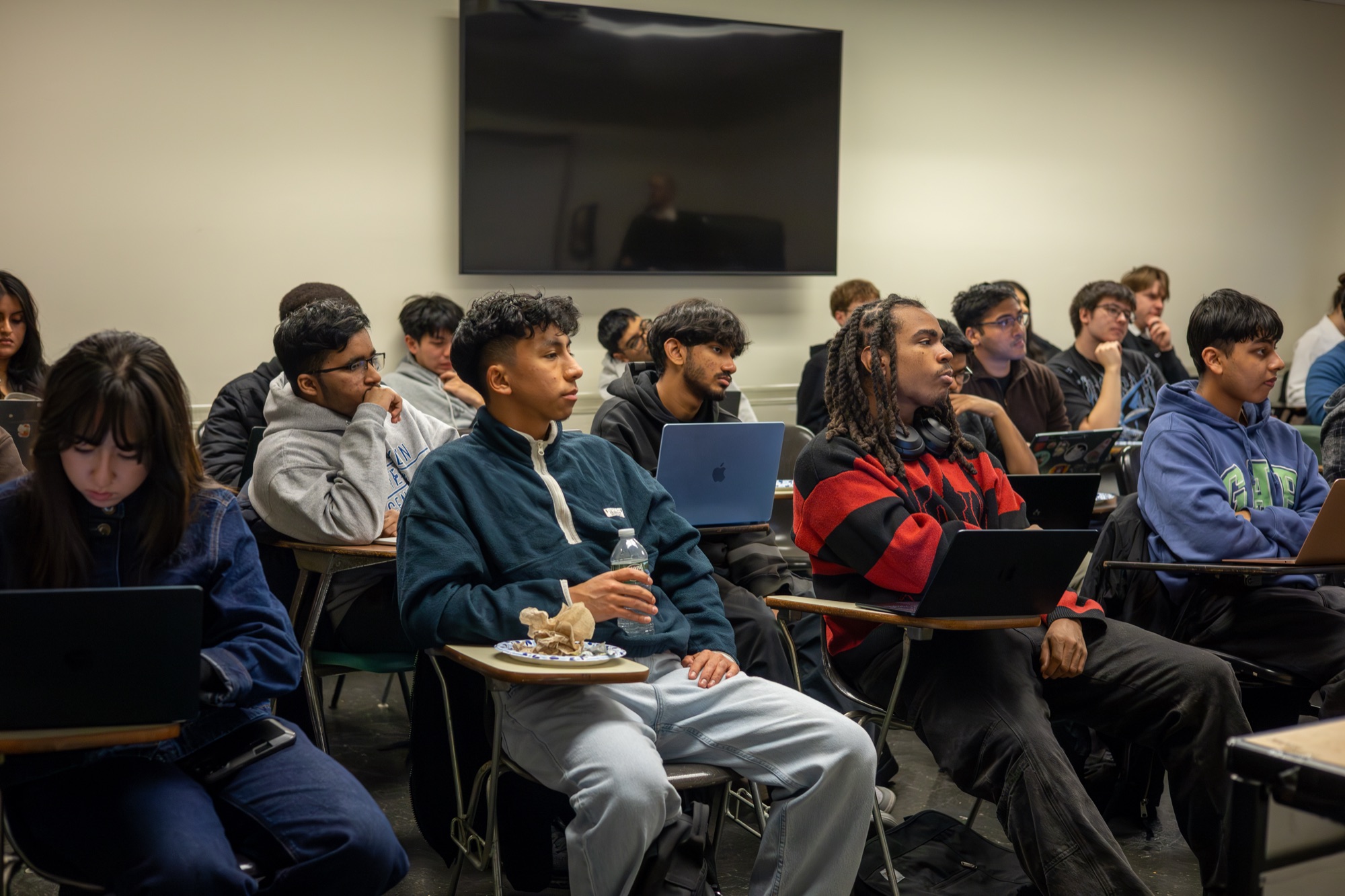
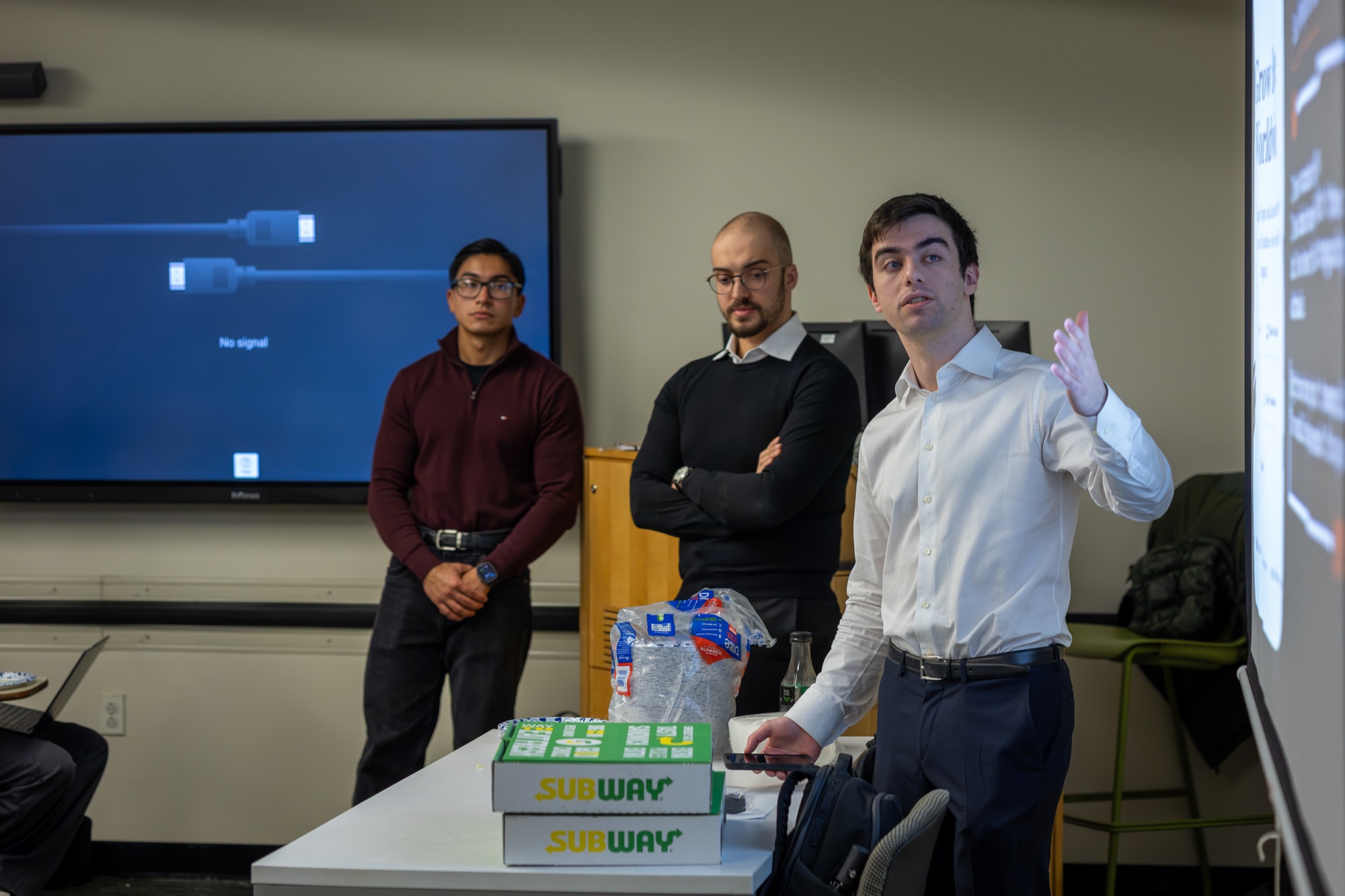
Scam Search Party with Baruch College’s ISACA Cybersecurity Club, New York City, November 2026.
Why we run them
About 1,000 times a day, someone uses one of our free tools to check a suspicious link, email or message. Every one of those is a real scam aimed at a real person.
A Scam Search Party puts one of them in front of a room. People leave knowing how these schemes are built, and the scam leaves with a report filed against it.
Safe by design. Nobody opens a scam site themselves. Our tool visits it and puts a screenshot on the board. Nobody contacts a scammer.
How a party works
Each party starts with a real scam that someone reported to us, and a short list of questions. Who is behind it? How does it work? Who is it after?
People work in small groups and follow the clues: when the site was registered, what it copies, where the money goes. Our hosts help anyone who gets stuck.
The whole room builds a single shared board. By the end, it shows how the scam is put together.
We send the evidence to the companies hosting the scam, and publish what the room found in plain language.
Replays
Each video replays a party’s board from the first clue to the last, in under a minute. Every card was added by someone in the room.
Baruch College · November 10, 2026
A text about a traffic fine leads to a fake government portal that tries to install a banking trojan.
Baruch College · November 10, 2026
A free V-Bucks offer hides a fake Epic Games login behind a puzzle, so security scanners never see it.
Online · November 3, 2026
A website calling itself a foundation invites people to pay to become members. Is it what it says it is?
What one party did · November 2026
Nov 5 and 6
A fake traffic-fine portal and a fake Epic Games login are registered a day apart.
Nov 10
At Baruch College, students trace both sites and map how each one works on a shared board.
Nov 13
A plain-language write-up goes on our site, and the scams go into ScamArchive, our free public archive.
Nov 16 and 17
The companies hosting the sites confirm they removed them after our reports.
Track record
Nov 24, 2026
Online, on Zoom
Tuesday, 7:00 to 8:00 PM ET
Apr 10, 2027
Pier 57, New York City
Saturday, 9:30 to 11:30 AM ET, in person
Nov 10, 2026
Baruch College, New York City
Students took apart a fake traffic-fine portal that installs a banking trojan and a fake Epic Games login hidden behind a puzzle. Both sites were taken down after we reported them.
Read the recapNov 3, 2026
Online, on Zoom
A website calling itself a foundation invites people to pay to become members. The group looked into who runs it, how membership works and what members are promised.
Open the board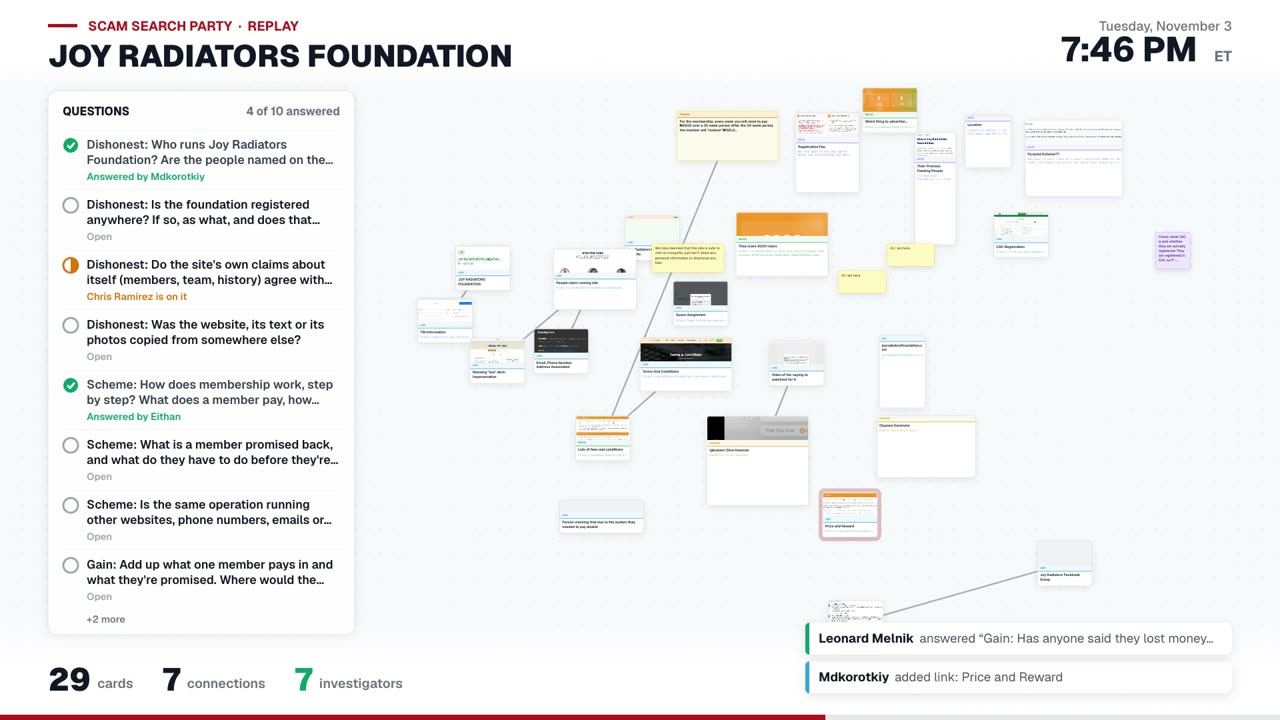
Nov 10, 2025
Baruch College, New York City
The group uncovered a long-running pyramid scheme that claimed to help people pay for education.
Read the recapOct 12, 2025
Online, on Zoom
People with and without a technical background traced a scam email and mapped the fake names, addresses and websites connected to it, across several countries.
Read the recap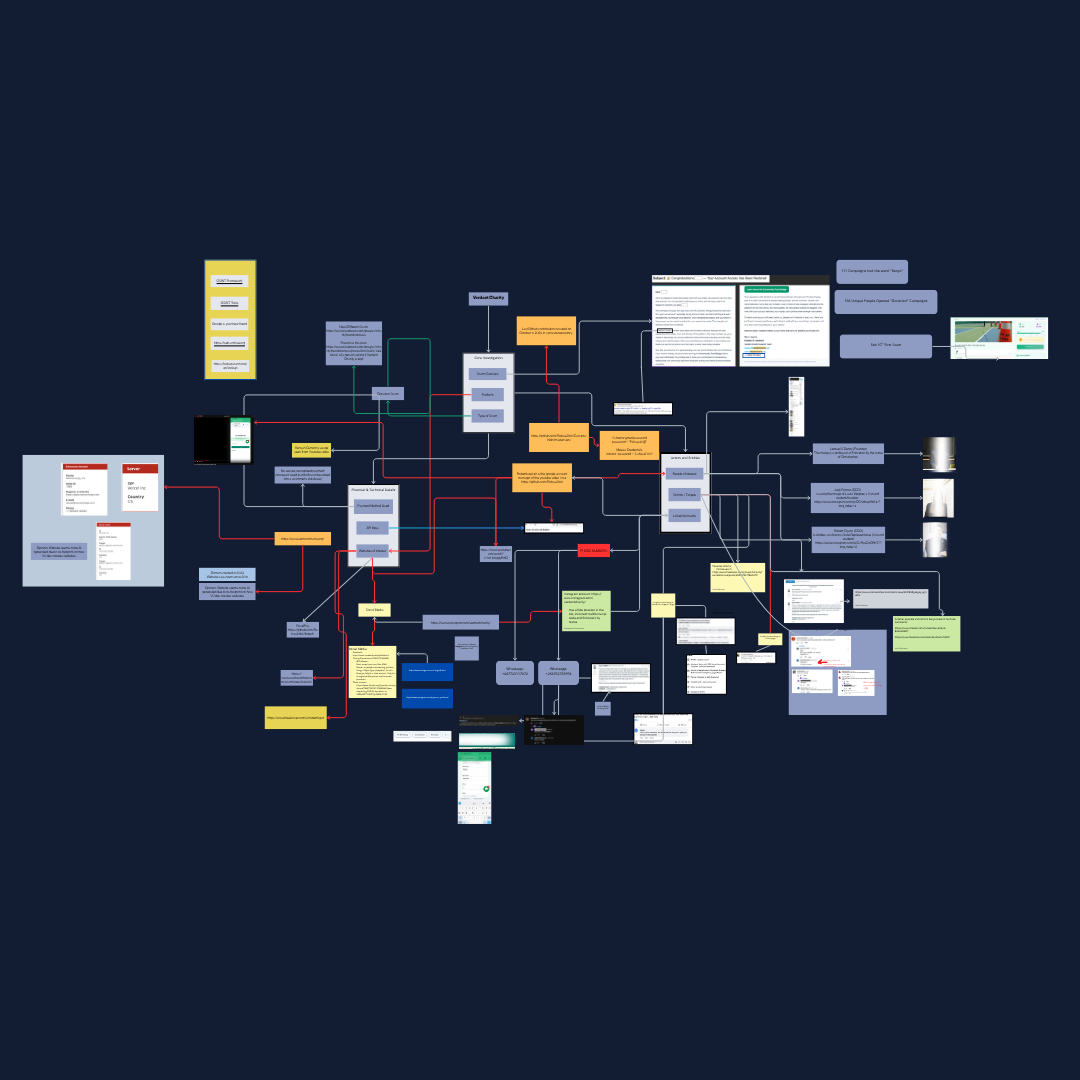
For funders and sponsors
So far we have paid for every party ourselves. With support, we can take Scam Search Parties to many more communities, and give every participant what they need to take part.
What funding adds
Rooms, materials and outreach so we can bring parties to libraries, schools and community groups.
A secure virtual desktop for each person, so nobody’s own computer is ever at risk.
A loaner pool for parties in under-resourced communities, so everyone in the room can join in. Retired company laptops work too.
A guide that lets libraries and community partners run Scam Search Parties of their own.
Parties are free and open to everyone. Bring a laptop, some curiosity, and a friend if you like.
Join the next partyFor schools, libraries, clubs, workplaces and community groups. You bring a room, Wi-Fi and your people. We bring the case, the board and the hosts.
Ask about hosting